
Grand National Betting Tips: How to Pick a Winner at Aintree
Best Horse Racing Betting Sites – Bet on Horse Racing in 2026
Loading...
The Ultimate Betting Spectacle
The Grand National captures Britain’s imagination like no other horse race. Once a year, millions who never bet otherwise place a flutter on this extraordinary test of horse, jockey, and fortune. The 2026 season saw British racecourse attendance exceed 5 million for the first time since 2019, according to Racing Post figures, with Aintree’s Grand National meeting contributing substantially to that total.
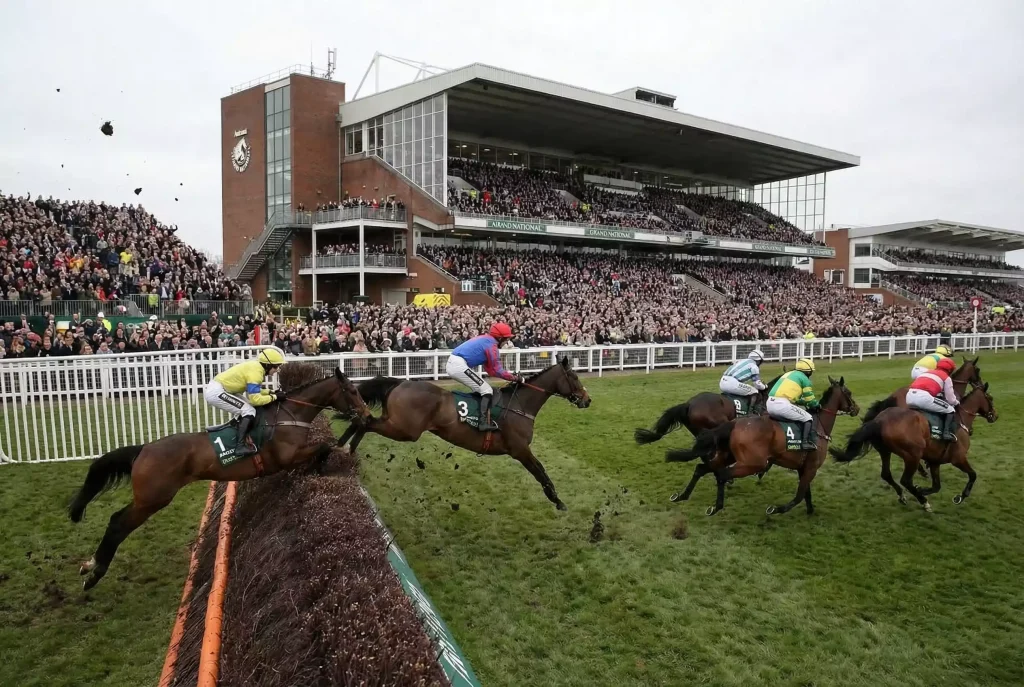
Forty horses. Thirty fences. Four miles and two furlongs. The race demands attributes found nowhere else: extreme stamina, precise jumping at speed when exhausted, the courage to keep going when muscles burn, and enough fortune to avoid the carnage that almost always claims several fancied runners. Picking a National winner isn’t like picking winners in any other race.
For serious punters, the National presents a puzzle that requires different tools. Form analysis helps but doesn’t dominate. Weight matters more than usual. Jumping pedigree takes precedence over pure speed. This guide breaks down the criteria that actually matter, helping you navigate the world’s most famous steeplechase with something better than pin-and-hope selection.
Key Selection Criteria
Age provides the first filter. Grand National winners typically fall between eight and eleven years old. Younger horses often lack the experience to navigate the unique fences and the gruelling distance. Older horses may have lost the speed to compete in a race that, despite its stamina demands, is run at a genuine pace. The sweet spot sits around nine or ten — experienced enough to handle Aintree, young enough to still have the necessary engine.
Weight carried matters enormously over four miles. The National’s handicap structure assigns weights from around 10st to 11st 10lb. Historical analysis consistently shows that horses carrying less than 11st 4lb have a better record than those at the top of the weights. The burden becomes progressively more punishing as the race unfolds; by the time horses reach the Elbow on the run-in, those extra pounds feel like stones.
Jumping ability at Aintree transcends normal chasing credentials. The fences — including famous obstacles like Becher’s Brook, the Canal Turn, and The Chair — require specific skills. Horses that jump efficiently, saving energy while clearing obstacles cleanly, have advantages over flashy jumpers who gain air unnecessarily. Previous Aintree experience, whether in the National itself or the supporting races, provides crucial evidence. Horses that have handled the course before know what to expect; debutants face uncertainty.
Research into longshot betting returns shows concerning patterns. According to Ziemba and Hausch’s academic work, average returns on bets at odds of 10/1 or longer fall to 65% of stake, while at 18/1 and beyond, returns drop to just 28%. The Grand National field is full of longshots; approaching them systematically rather than emotionally helps avoid the value traps that claim casual punters. Not every 33/1 shot represents value — most represent exactly the slim chance their price suggests.
Each-Way Value Approach
Each-way betting suits the Grand National better than almost any other race. With forty runners and only a handful likely to complete, the each-way places — typically first four or five — offer genuine value opportunities. A horse that stays, jumps, and handles the weight can place without needing to beat the very best in the field.
Place-only value sometimes exceeds win value. A horse at 25/1 paying a quarter the odds for five places returns 6.25/1 on the place portion. If that horse has, in your assessment, a 25% chance of placing but only a 5% chance of winning, the each-way bet captures value through the place component even though the win component represents poor value. This calculation requires honest probability assessment, not hope.
Bookmaker place terms vary during National week. Some firms offer enhanced each-way terms — paying six places instead of five, or one-quarter odds instead of one-fifth. These enhancements change the mathematics substantially. Shopping for the best each-way terms before backing your selections maximises the value you capture from legitimate fancies.
Multiple each-way selections spread risk effectively. Rather than lumping a large stake on one horse, selecting three horses at 20/1, 25/1, and 33/1 for smaller stakes gives you multiple routes to profit. If one places, you likely cover your outlay; if one wins, the returns justify the strategy. The National’s unpredictability makes diversification more sensible than concentration.
Historical Patterns
Winners typically come from a narrow profile. Most recent victors ran in their prep race between three and six weeks before the National, arriving fresh rather than hard-ridden. They placed in the top four of that prep race, demonstrating current form without leaving their race on the course. Horses coming off long layoffs or hard defeats rarely muster the necessary effort.
Class tells, even in this attritional test. Multiple winners have come from horses rated 150 or higher — top-class performers by any standard. While the handicap system gives chances to lower-rated horses, those with genuine class typically find more in reserve when the race reaches its critical final stages. A horse that has won at the Cheltenham Festival or competed creditably in Grade 1 company deserves extra respect.
Irish trainers have dominated recent renewals. Willie Mullins, Gordon Elliott, and other Irish powerhouses send strong teams to Aintree, and their record reflects superior preparation and horse selection. British trainers compete, and occasionally prevail, but the weight of Irish quality means the market often correctly favours raiders from across the water.
Ground conditions shape the race significantly. Heavy ground turns the National into a brutal test of stamina where proven mudlarks excel. Good ground allows speedier types to survive the distance. Studying which horses have form on ground similar to the day’s conditions helps eliminate runners that may struggle before the race even begins. Check forecasts in the days before the race and be prepared to adjust selections if conditions change.
Betting Strategy
Treat National betting as entertainment spending unless you have genuine edge. The race is so unpredictable that even sophisticated analysis can’t overcome the fundamental variance of a forty-runner chase. Set a budget you’re comfortable losing entirely, and treat any returns as a bonus rather than an expectation.
Avoid the temptation to back too many horses. Each additional selection dilutes potential returns and increases total exposure. Three to five horses, backed each-way at sensible stakes, provides coverage without excessive investment. Those suggesting you need “coverage” with eight or ten selections are confusing action with value.
Watch the market on the day. Sharp money moves during National morning often indicate where professional punters see value. If a horse drifts significantly without obvious cause, that drift might reflect concerns invisible to the public. If a horse shortens despite heavy public money on favourites, that shortening might signal genuine confidence from informed sources. The market tells stories; learn to read them.
Respecting the Challenge
The Grand National humbles punters every year. Favourites fall at the first, 50/1 shots romp home, and the race unfolds in ways nobody predicted. Survive the fences, reach the line — that’s what you’re really betting on. Every selection must be capable of completing the course before you assess whether it can win.
Apply the filters: age, weight, jumping record, Aintree experience, current form. Eliminate horses that fail multiple criteria. What remains represents your genuine contenders. Back them each-way, at sensible stakes, with terms that maximise your place value. And then watch — because no matter how much preparation you’ve done, the National always has something unexpected in store.