
Track Going Conditions: Ground Preference Analysis
 Available in US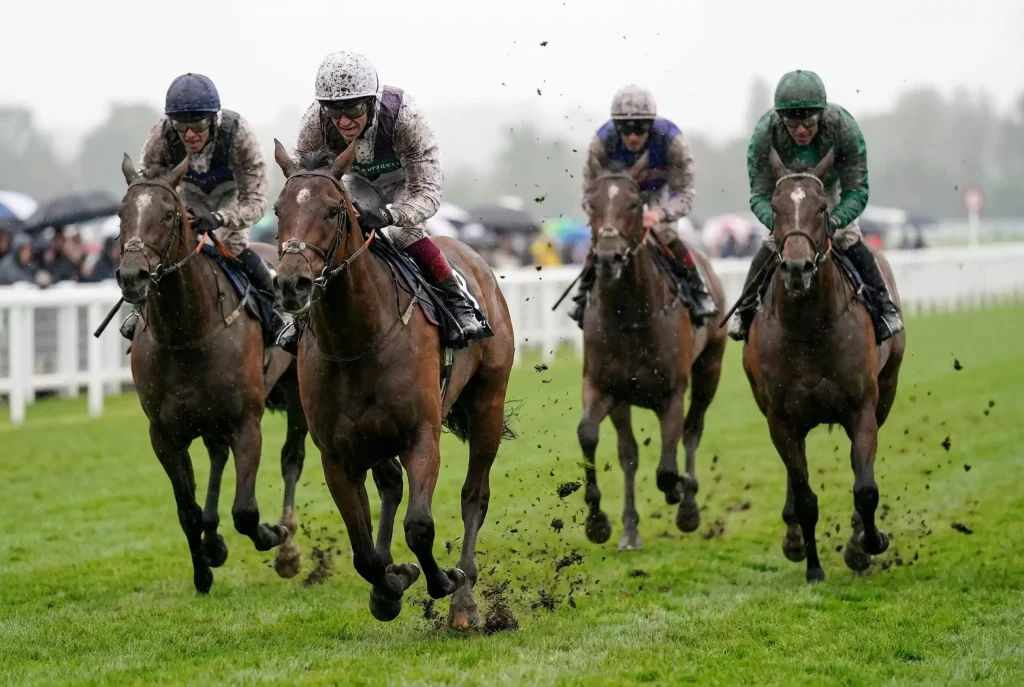
The Surface Beneath
The ground beneath a horse’s hooves shapes the race more than most punters acknowledge. Firm ground favours speed; soft ground demands stamina. Some horses transform when conditions turn testing; others lose their action entirely. Understanding going preferences separates informed bettors from those ignoring one of racing’s most decisive variables.
According to Gambling Commission data, 7% of UK adults placed bets on horse racing in a four-week period during April-July 2026. Many of those punters studied form without considering how ground conditions might invalidate that form. A horse’s brilliant run on firm ground means little when facing soft ground today. The ground beneath decides the race — and those who understand this truth gain edges over those who don’t.
This guide explains the going scale, how to identify ground preferences from form, how weather and drainage affect conditions, and how to integrate going analysis into your selection process. The ground beneath is not a minor factor to check; it’s a fundamental element that can override all other analysis.
The Going Scale Explained
British racing uses a standardised going scale ranging from hard through firm, good to firm, good, good to soft, soft, and heavy. The Horserace Betting Levy Board reported levy yield reaching £108.9 million in 2026/25 — the fourth consecutive year of growth. Much of the betting turnover generating that levy flowed through races where going conditions significantly influenced outcomes.
Firm ground describes a surface with minimal moisture, fast to race on but potentially jarring for horses with physical issues. Good to firm offers slightly more cushion while retaining speed. Good represents the standard baseline — neither particularly fast nor testing. Good to soft introduces more give, requiring additional effort from horses. Soft ground is genuinely testing, favouring stamina over speed. Heavy ground makes races attritional, where simply surviving becomes the challenge.
Clerk of the course assessments determine the official going, measured using penetrometer readings that quantify surface resistance. These readings can vary across different parts of the track — the stands’ rail might measure differently from the far rail, or certain bends might ride slower than others. Course clerks often specify variations in their going descriptions, providing additional detail for attentive punters.
The official going can change during a meeting. Rain arriving mid-day softens the surface; sun and wind dry it. Horses racing late on a card face different conditions than those in the first race. Monitoring weather forecasts and being prepared to adjust assessments throughout the day prevents backing horses whose going preferences have been undermined by changing conditions.
Identifying Ground Preferences
Form figures tell going preference stories clearly. Look at where each horse has performed best, noting the ground conditions for wins and good performances versus losses and poor runs. A horse with three wins on soft ground and three defeats on firm has an obvious preference that should inform betting decisions.
Action reveals preferences. Horses with high knee action that lifts their legs prominently often struggle on soft ground because each stride wastes energy. Low, daisy-cutting action suits testing ground — the horse moves efficiently without excessive lift. Watching replays of horses in action, noting how they move, provides insight that formbook entries cannot capture.
Breeding offers guidance, particularly for horses with limited form. Certain sires produce offspring that handle testing ground reliably; others produce fast-ground specialists. Progeny of stamina-oriented sires often handle soft ground better than those from pure speed lines. When assessing lightly-raced horses facing conditions they haven’t experienced, breeding provides the best available evidence.
Age and development affect preferences. Young horses sometimes struggle on heavy ground because they lack the physical strength to cope with demanding conditions. As they mature and strengthen, their ability to handle testing ground improves. A three-year-old that struggled in heavy going might handle it better as a five-year-old. Preferences aren’t always static throughout a horse’s career.
Surface transitions matter too. Horses moving from all-weather racing to turf face adjustment periods. Those returning from a break might have preferences that differ from their form before the layoff. Noting when form was recorded — and under what circumstances — helps weight going preferences appropriately.
Weather and Track Drainage
Weather forecasts inform going expectations. Rain softens ground; sun and wind firm it up. Monitoring forecasts in the days before racing — and during race day itself — helps anticipate whether conditions will match horses’ preferences. A horse that needs soft ground might benefit from overnight rain; one needing firm conditions might be helped by a drying forecast.
Track drainage varies significantly between courses. Some courses drain quickly, recovering from rain within hours and rarely turning genuinely heavy. Others retain moisture, becoming testing after relatively modest rainfall. Knowing which courses drain well and which hold water helps calibrate going expectations for specific venues.
Cheltenham’s famous undulations create going variations across the course. The inside rail might ride softer than the outer portions. The downhill sections drain differently from the uphill stretches. Sandown’s course handles rain differently from its flat track sections. These course-specific quirks become familiar to regular students of the form but surprise casual punters expecting uniform conditions.
Watering policies matter during dry spells. Courses water to maintain safe racing surfaces, but the extent of watering varies by policy and resources. A course that waters heavily maintains softer ground than one that waters minimally. Understanding each course’s typical watering approach helps predict conditions when official going descriptions haven’t yet been updated.
Integrating Going into Selections
Going analysis should filter selections before other factors. A horse unsuited by conditions has fundamental disadvantage that form and class cannot overcome. Starting with going suitability eliminates horses that would otherwise waste analysis time and potentially attract mistaken backing.
As Tom Byrne, Head of Racing and Betting at the BHA, noted in the 2026/26 Jump Changes briefing: “Data shows that the pace of novices’ handicaps are typically faster than an equivalent weight-for-age race.” This observation highlights how race types interact with conditions — faster pace on testing ground creates additional demands that some horses cannot meet. Integrating going analysis with pace expectations produces sharper assessments.
Weight your analysis by conditions certainty. When conditions clearly favour certain profiles, lean heavily on going preferences. When conditions are borderline — good to soft that might turn soft or might stay good — weight going preferences less heavily and focus on other factors. Certainty about conditions determines how much weight going deserves in your overall analysis.
Consider conditions relative to the market. If a horse with questionable soft-ground credentials faces testing conditions, the market might already have priced in that concern. The going filter’s value comes when the market underweights conditions — when a going-unsuited favourite retains support it doesn’t deserve, or when a going-suited outsider remains overlooked.
The Ground Decides
Going preferences represent one of racing’s most reliable analytical tools. Horses that consistently perform on certain ground types will likely continue that pattern. Those with demonstrated aversions to specific conditions will likely continue struggling when facing them. The ground beneath decides the race more often than casual punters recognise.
Build going awareness into your systematic process. Check conditions before studying form. Filter out horses unsuited by the day’s going. Weight remaining selections by how strongly conditions favour their profiles. The ground beneath is not a secondary consideration — it’s a primary factor that shapes which horses can realistically compete. Respect that truth, and your selections will improve accordingly.
